
What Is Geriatric Rehabilitation?
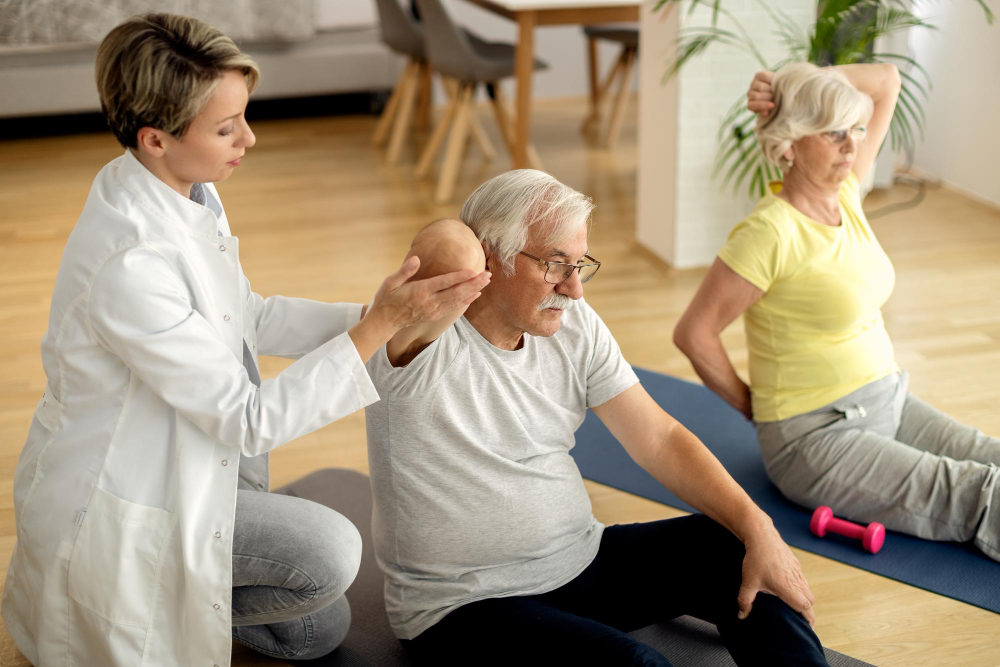
Geriatric rehabilitation is a special type of care for older adults. It helps seniors recover from illness, injury, or surgery. Most importantly, it aims to improve mobility, strength, and daily living skills. Because aging can bring new health challenges, geriatric rehabilitation focuses on the unique needs of older people. In many cities, you can find programs for geriatric rehabilitation in hospitals, clinics, or even at home.
Common Conditions and Challenges in Older Adults
As people age, they may face several health problems. For example, these can include:
Because of these issues, daily tasks can become harder. However, with the right support, many seniors can stay active and independent.
Symptoms and Signs Indicating the Need for Rehabilitation
Sometimes, it is not easy to know when an older adult needs help. Still, you should watch for these signs:
If you notice these symptoms, it may be time to consider geriatric rehabilitation.
Causes and Risk Factors for Mobility Loss in the Elderly
Many things can lead to mobility loss in older adults. For instance, common causes include:
Additionally, risk factors such as poor nutrition, lack of exercise, and unsafe home environments can make things worse. Therefore, it is important to address these risks early.
Diagnosis and Assessment Methods
Doctors and therapists use several methods to assess seniors. First, they may ask about medical history and daily habits. Next, they check strength, balance, and walking ability. Sometimes, they use tests like the Timed Up and Go (TUG) test. In some cases, they may order X-rays or blood tests. These steps help create a plan for geriatric rehabilitation that fits each person’s needs.
Treatment Options: Physiotherapy, Exercise, and Assistive Devices
There are many ways to help older adults regain strength and movement. For example, treatment options include:
Because every person is different, therapists create a plan that matches each senior’s needs.
Lifestyle Guidance: Home Safety, Nutrition, and Activity Tips
Besides therapy, lifestyle changes can help seniors stay safe and healthy. Here are some tips:
With these steps, older adults can enjoy a better quality of life at home.
Prevention Strategies for Age-Related Decline
Although aging is natural, you can slow down some changes. For example, prevention strategies include:
According to the World Health Organization, these steps can reduce the risk of falls and disability in seniors.
Benefits of Geriatric Rehabilitation for Quality of Life
Geriatric rehabilitation offers many benefits. For instance, it can:
Because of these benefits, many families choose rehabilitation for seniors who want to stay active and healthy.
Conclusion: Take the Next Step
In summary, geriatric rehabilitation can make a big difference in the lives of older adults. If you or a loved one is facing challenges with mobility or daily tasks, do not wait. Consult a physiotherapist or rehabilitation specialist for personalized advice on geriatric rehabilitation.