
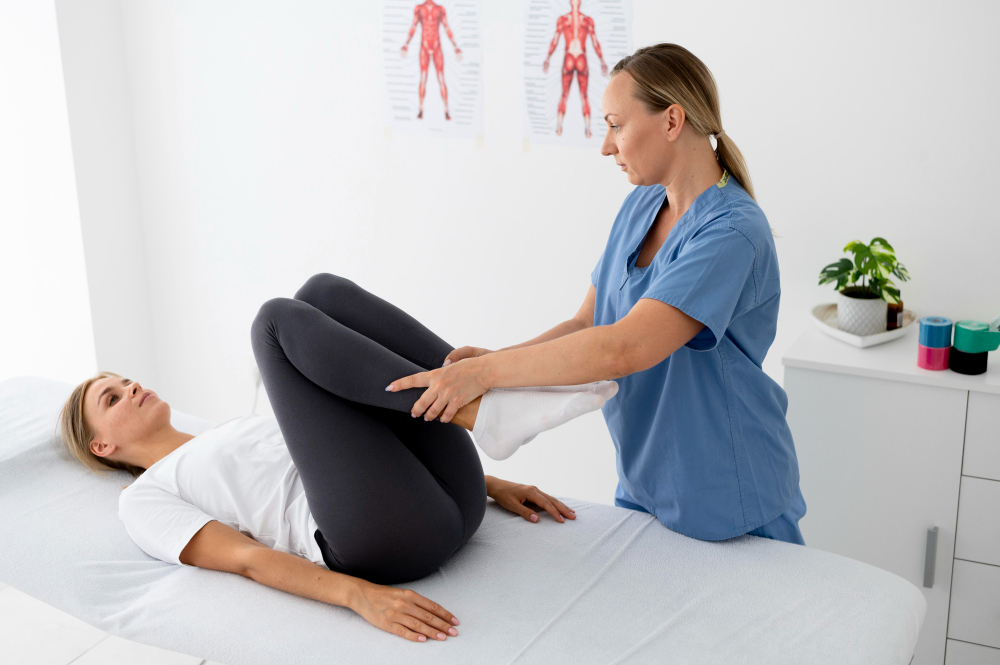
Pelvic exercises physiotherapy is a special type of care that helps strengthen the muscles in your pelvic area. These muscles support your bladder, bowel, and, for women, the uterus. Many people use pelvic floor exercises and physiotherapy for pelvic health to treat problems like leaks or pain. In fact, pelvic muscle strengthening can improve daily life and prevent future issues. If you are looking for ways to boost your pelvic health, this guide will help you understand the benefits, techniques, and tips for pelvic exercises physiotherapy.
What is Pelvic Exercises Physiotherapy?
Pelvic exercises physiotherapy focuses on training and strengthening the muscles at the bottom of your pelvis. These muscles help control your bladder and bowels. They also support your organs and help with posture. Often, a physiotherapist will teach you special exercises to make these muscles stronger and more flexible. As a result, you may notice better control and less discomfort in your daily life.
Common Symptoms and Conditions Addressed
Many people do not realize that weak pelvic muscles can cause several problems. However, pelvic exercises physiotherapy can help with:
Causes of Pelvic Floor Dysfunction
Several factors can weaken or damage the pelvic floor muscles. For example, pregnancy and childbirth often stretch these muscles. In addition, aging and menopause can make them weaker. Other causes include:
Because these causes are common, many people may benefit from pelvic exercises physiotherapy.
Diagnosis and Assessment
First, a physiotherapist will ask about your symptoms and medical history. Next, they may do a gentle physical exam to check your pelvic muscles. Sometimes, they use special tools or ask you to squeeze your muscles. This helps them see how strong your pelvic floor is. In some cases, they may use ultrasound or other tests. After the assessment, your physiotherapist will create a plan just for you.
Pelvic Exercise Techniques
There are several simple exercises you can do at home. However, it is best to learn the right way from a physiotherapist. Here are some common pelvic floor exercises:
Kegel Exercises
Bridge Exercise
Squats
Remember, always breathe normally during these exercises. If you feel pain, stop and talk to your physiotherapist.
Benefits of Pelvic Exercises Physiotherapy
Pelvic exercises physiotherapy offers many health benefits. For instance, it can:
According to the World Health Organization (WHO), regular exercise can help prevent many health problems, including those related to the pelvic floor.
Lifestyle Tips and Prevention
Besides exercises, healthy habits can protect your pelvic floor. For example, you can:
With these tips, you can lower your risk of pelvic floor problems.
When to Consult a Physiotherapist
Sometimes, self-care is not enough. If you notice leaks, pain, or trouble with bladder or bowel control, it is time to seek help. Also, if you are pregnant, just had a baby, or had pelvic surgery, a physiotherapist can guide you. Early help can prevent problems from getting worse. You can search for “pelvic physiotherapy near me” to find a local expert.
For the best results, consult a qualified physiotherapist for personalized pelvic exercise guidance.